Palm Tree Removal in Doylestown, PA
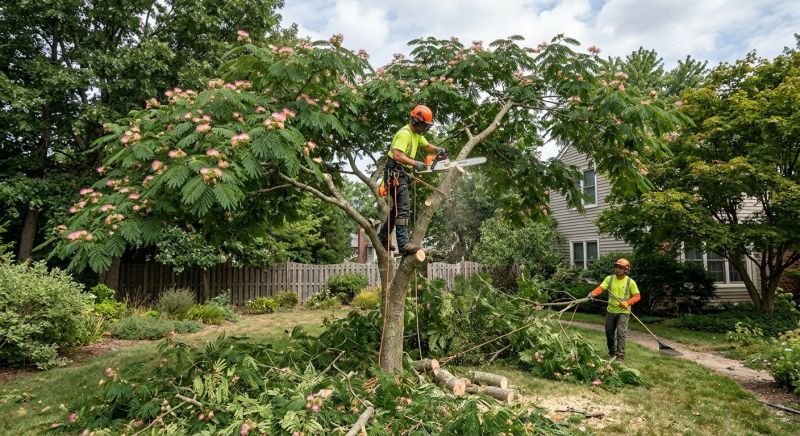
Palm tree removal services encompass the safe and efficient removal of palm trees that are dead, diseased, damaged, or pose a risk to property and safety. These projects typically involve removing entire trees, including the trunk and roots, especially when they are located near structures, power lines, or other landscape features. Property owners often seek this service to prevent potential hazards such as falling fronds or trunks, to clear space for new landscaping, or to address health concerns related to diseased palms.
Before requesting palm tree removal, property owners should consider the size and location of the tree, as well as any potential obstacles that might affect the removal process. It’s also helpful to understand any local regulations or restrictions related to tree removal, particularly for large or protected species. Proper planning ensures that the removal process is safe, efficient, and compliant with local guidelines, helping to maintain the safety and appearance of the property.
Many property owners in Doylestown, PA look into Palm Tree Removal for repairs, replacements, upgrades, and appearance-related improvements.
Reasons For Tree Removal
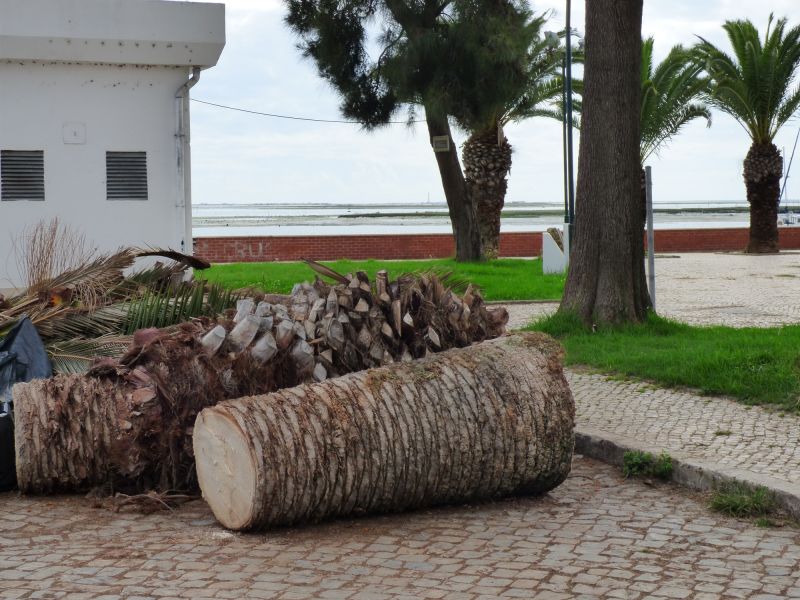
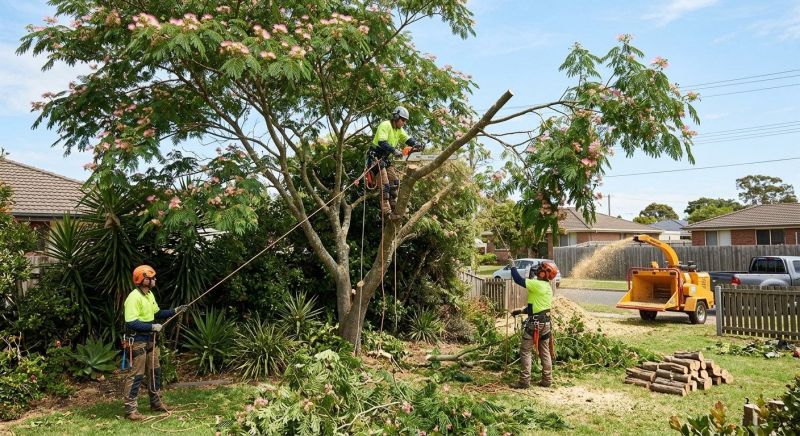
Trees may need to be removed due to disease, damage, or safety concerns on residential properties.
Types Of Tree Removal Services
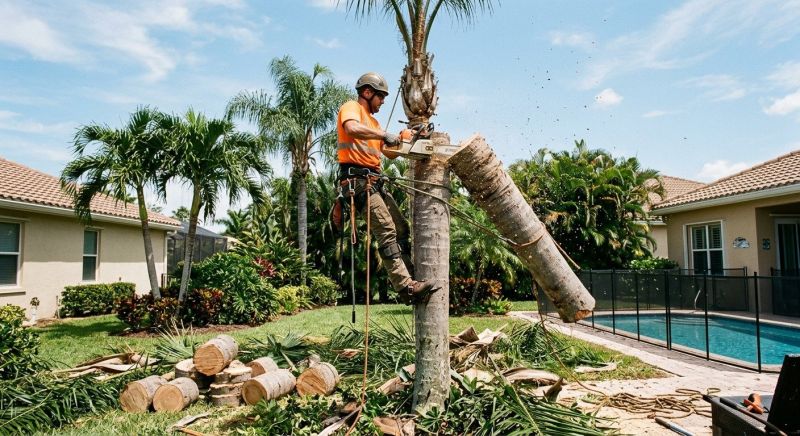
Services include stump grinding, dead tree removal, and clearing space for new landscaping projects.
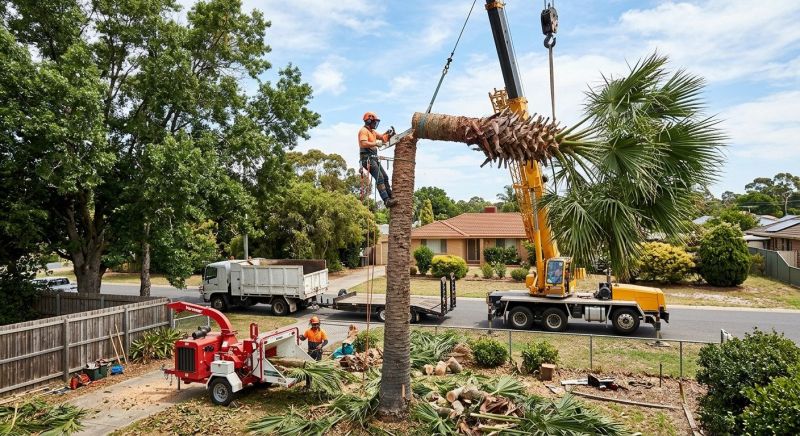
Considerations Before Removal
Property owners should evaluate tree health, location, and potential impact on surrounding structures before proceeding.
Palm Tree Removal in Doylestown, PA

Palm tree removal services encompass the safe and efficient removal of palm trees that are dead, diseased, damaged, or pose a risk to property and safety. These projects typically involve removing entire trees, including the trunk and roots, especially when they are located near structures, power lines, or other landscape features. Property owners often seek this service to prevent potential hazards such as falling fronds or trunks, to clear space for new landscaping, or to address health concerns related to diseased palms.
Before requesting palm tree removal, property owners should consider the size and location of the tree, as well as any potential obstacles that might affect the removal process. It’s also helpful to understand any local regulations or restrictions related to tree removal, particularly for large or protected species. Proper planning ensures that the removal process is safe, efficient, and compliant with local guidelines, helping to maintain the safety and appearance of the property.
Many property owners in Doylestown, PA look into Palm Tree Removal for repairs, replacements, upgrades, and appearance-related improvements.
Common Palm Tree Removal Jobs
Palm Tree Removal - Safely removes dead or overgrown palms to improve landscape safety.
Stump Grinding - Eliminates remaining stumps to prevent regrowth and enhance yard appearance.
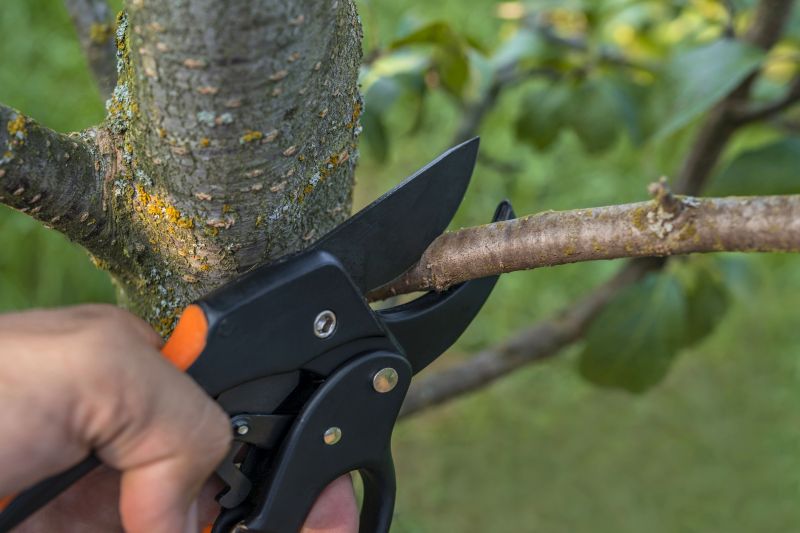
Tree Trimming - Prunes palms to maintain health and prevent potential hazards.
Emergency Palm Removal - Provides quick response for storm-damaged or hazardous palms.
Selective Removal - Removes specific palms to improve property aesthetics or access.
Complete Palm Clearing - Clears entire areas of palms for construction or landscaping projects.
Palm Tree Removal Questions
When is palm tree removal necessary? Removal is recommended when palms are diseased, damaged, or pose a safety risk due to instability or overgrowth.
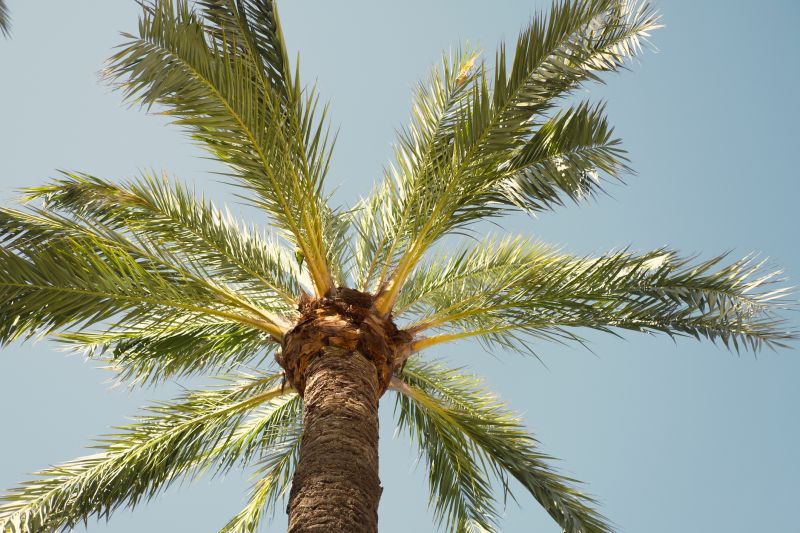
What types of palm trees can be removed? Most common palm varieties, including date palms, queen palms, and windmill palms, can be safely removed.
Does palm tree removal affect nearby plants or structures? Proper removal techniques help prevent damage to surrounding landscaping and property structures.
What should property owners consider before removing a palm tree? Consider the tree's size, location, and condition to determine the best removal approach and any necessary permits.
Request Palm Tree Removal in Doylestown, PA
Use the quote form on this page to share the basics of your project and request more information for the type of work you need.